A haircut should get simpler with age, and in most ways it does. The classic styles suit grey and white hair well, the morning routine shrinks, and nobody expects a man in his seventies to fight his hair into something it is not. But the appointment itself changes. Skin is thinner, hearing may be weaker in a noisy room, getting in and out of a chair takes more care, and a rushed cut that would be a minor annoyance at thirty is a genuine discomfort at seventy-five.
This is a practical guide to handling those things plainly, for older men in Davidson booking their own cuts and for the adult children who sometimes make the arrangements. None of it requires special treatment. It requires a shop that slows down where it should, and a client willing to say what he needs.
What changes, honestly stated
Hair itself changes first. It often grows finer, thinner on top, and wirier in texture, and grey hair behaves differently from the hair a man had at forty, sitting up more and lying down less willingly. Growth can also slow, which stretches the time between cuts. Skin changes matter just as much. Thinner skin nicks more easily, heals more slowly, and bruises from pressure that would once have gone unnoticed. A razor finish that was routine for decades may need a lighter hand, or replacing with careful clipper work around delicate areas.
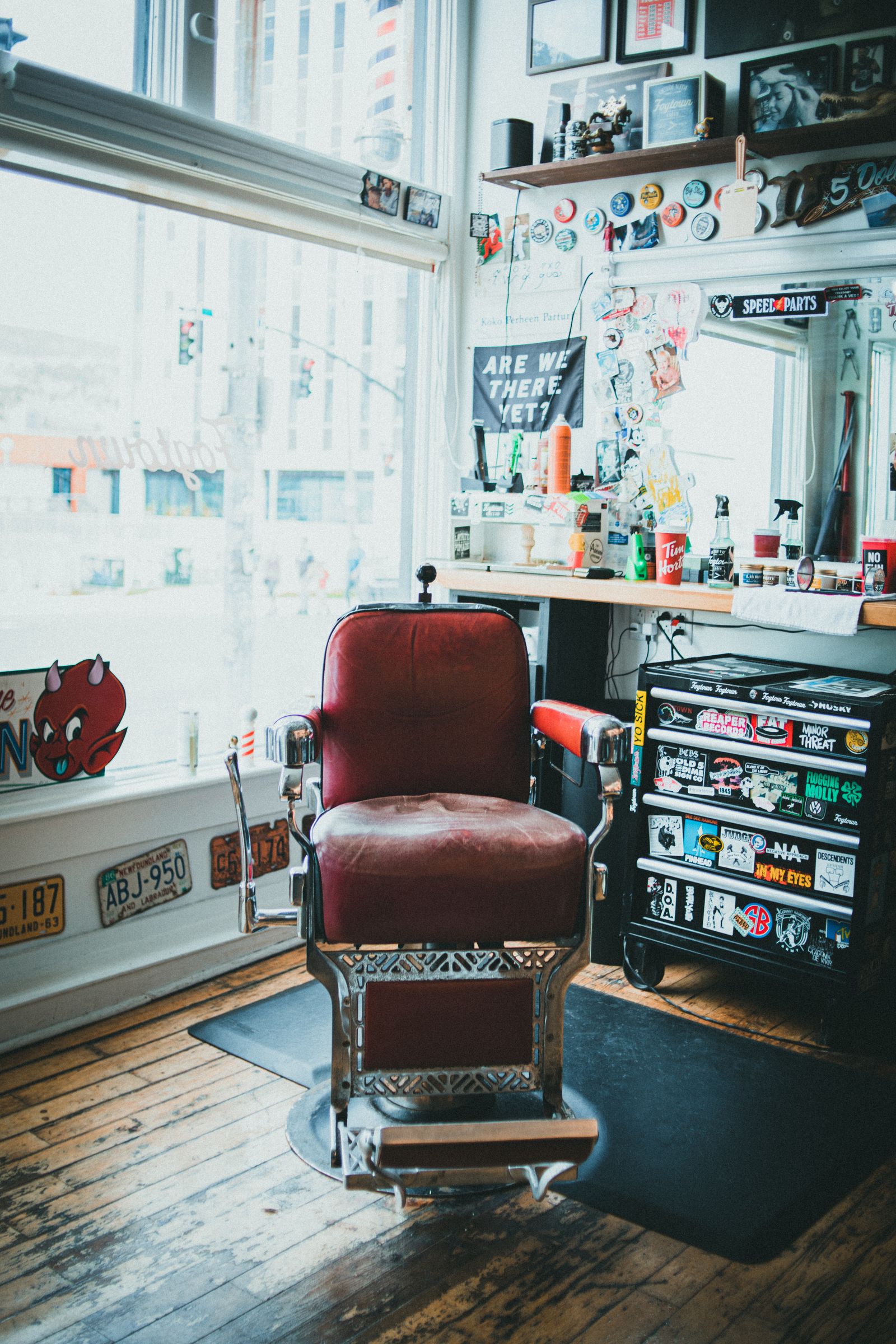
Senses and mobility belong in the conversation too. A barber shop is a loud room: clippers, dryers, conversation, a radio. Instructions given once, quietly, from behind the chair may simply not be heard. And barber chairs sit low, spin, and have footrests to negotiate. None of these are problems. All of them are solved by thirty seconds of plain talk at the start.
How to handle the visit, step by step
- Choose a quiet time of day. Mid-morning on a weekday is calmer than any Saturday. A slower shop means a barber who is not splitting attention, a quieter room for conversation, and no pressure to hurry out of the chair.
- Say what you need at the start. Mention hearing, a sore neck, a shoulder that does not like being pressed, or skin that cuts easily. This is information a barber uses immediately, not a complaint.
- Take your time getting seated. Use the arms of the chair, get settled before the cape goes on, and speak up if you need the chair raised, lowered, or kept still. A steady client is a safer client.
- Agree on the style in plain words. Short back and sides, a little length to comb on top, neat around the ears. Classic styles have the advantage of being well understood and easy to repeat visit after visit.
- Ask for a light hand with the razor. On thinner skin, a gentler finish around the ears and neck, or clipper edging instead of a razor, avoids nicks that take days to settle. Mention any blood-thinning medication only if you are comfortable; it is relevant to how carefully a razor should be used.
- Check the mirror together at the end. Glasses back on, a look at the front, sides, and back. Ask for small fixes now. Going home and worrying at a neckline for six weeks helps nobody.
Styles that work with the hair you have now
The classic short back and sides with a combable top remains the workhorse because it adapts. Length on top can be adjusted to wherever coverage is best, and it combs in one direction in seconds. For men whose hair has thinned considerably, shorter all over often looks tidier than longer hair arranged over thin areas, which tends to separate and draw the eye. A short, even cut with a soft taper reads as deliberate.
Grey and white hair also shows every uneven spot, since light hair against skin has less contrast to hide behind. That is an argument for a careful barber and a regular rhythm rather than for any product. At home, keep the routine small: a gentle shampoo, a comb, and perhaps a light cream if the hair stands up wiry. Anything beyond that is effort spent fighting texture that a suitable cut has already settled.
For family members arranging the visit
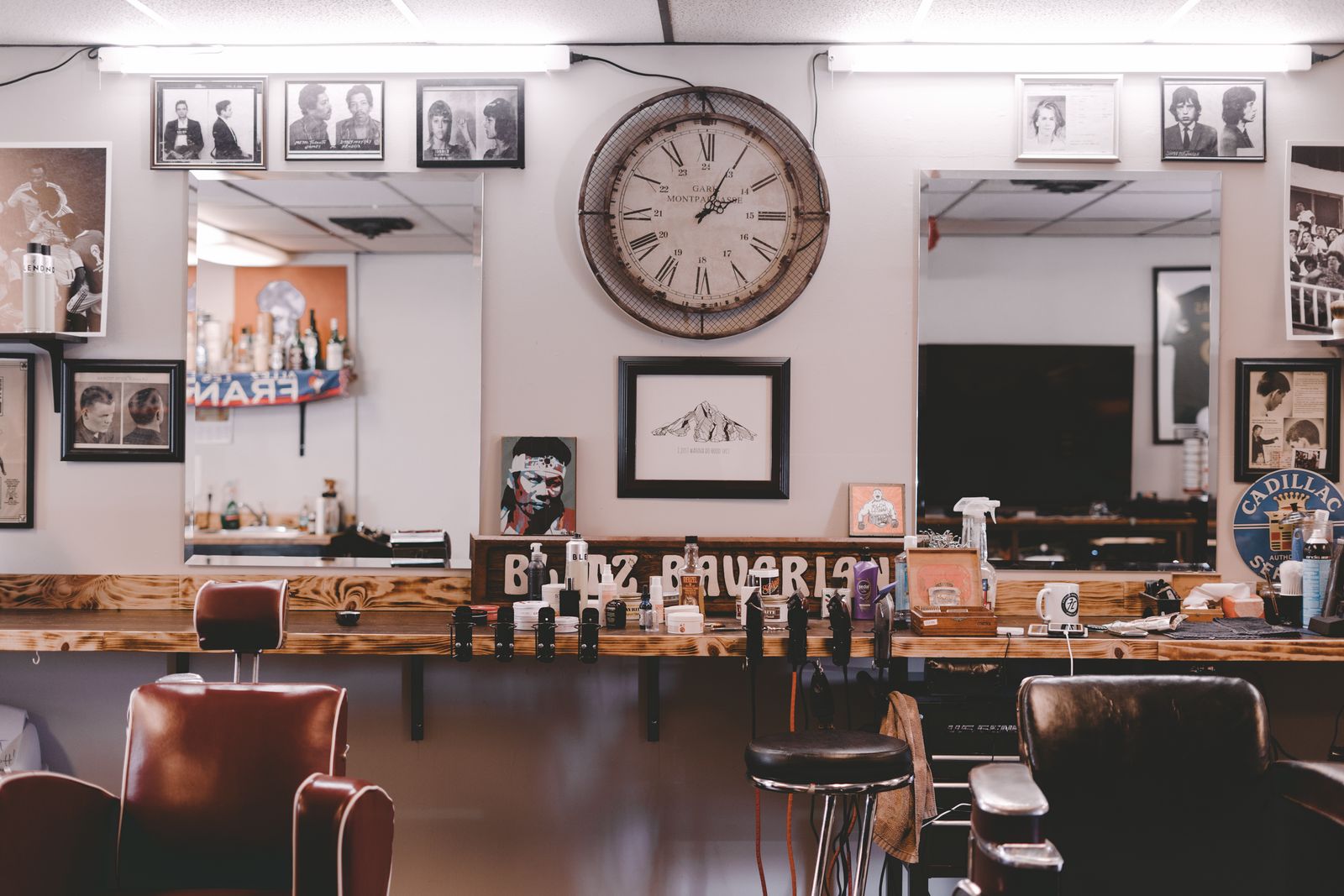
If you book for a parent, pass along the useful facts: mobility, hearing, how he likes his hair, and when he last had it cut. Go along for a first visit if he would like the company, and then let the routine become his own. A regular barber becomes a familiar face who notices changes, asks after family, and keeps a record of the cut. At Raeford's Barber Shop, as in any long-running shop, those standing relationships are half of what a senior cut is. The other half is simply a decent haircut, done at a pace that respects the person in the chair.
One kindness worth copying: put the next appointment on the calendar before leaving, at the interval that suits his growth, often five to seven weeks for slower-growing hair. It removes the slow slide into putting it off, and a man who looks tidy feels tidy. That is not vanity. It is maintenance of the ordinary kind, like a clean shirt.
Common questions
How often should an older man get a haircut?
Often every five to seven weeks, since hair growth commonly slows with age. The right trigger is when the hair around the ears and collar starts to look untidy, not a fixed date.
Are razor finishes still safe on older skin?
Usually, with a light hand and good preparation, but thinner skin nicks more easily. Ask the barber to go gently or to use clippers for edging if you have had trouble healing.
What if getting to the shop is difficult some months?
Choose a slightly shorter cut that grows out gracefully, and book the next visit before leaving. Growing out a forgiving style buys flexibility when a ride or a health issue intervenes.
Photos in this guide are representative stock images.
← All guides from Raeford's Barber Shop← Back to Raeford's Barber Shop